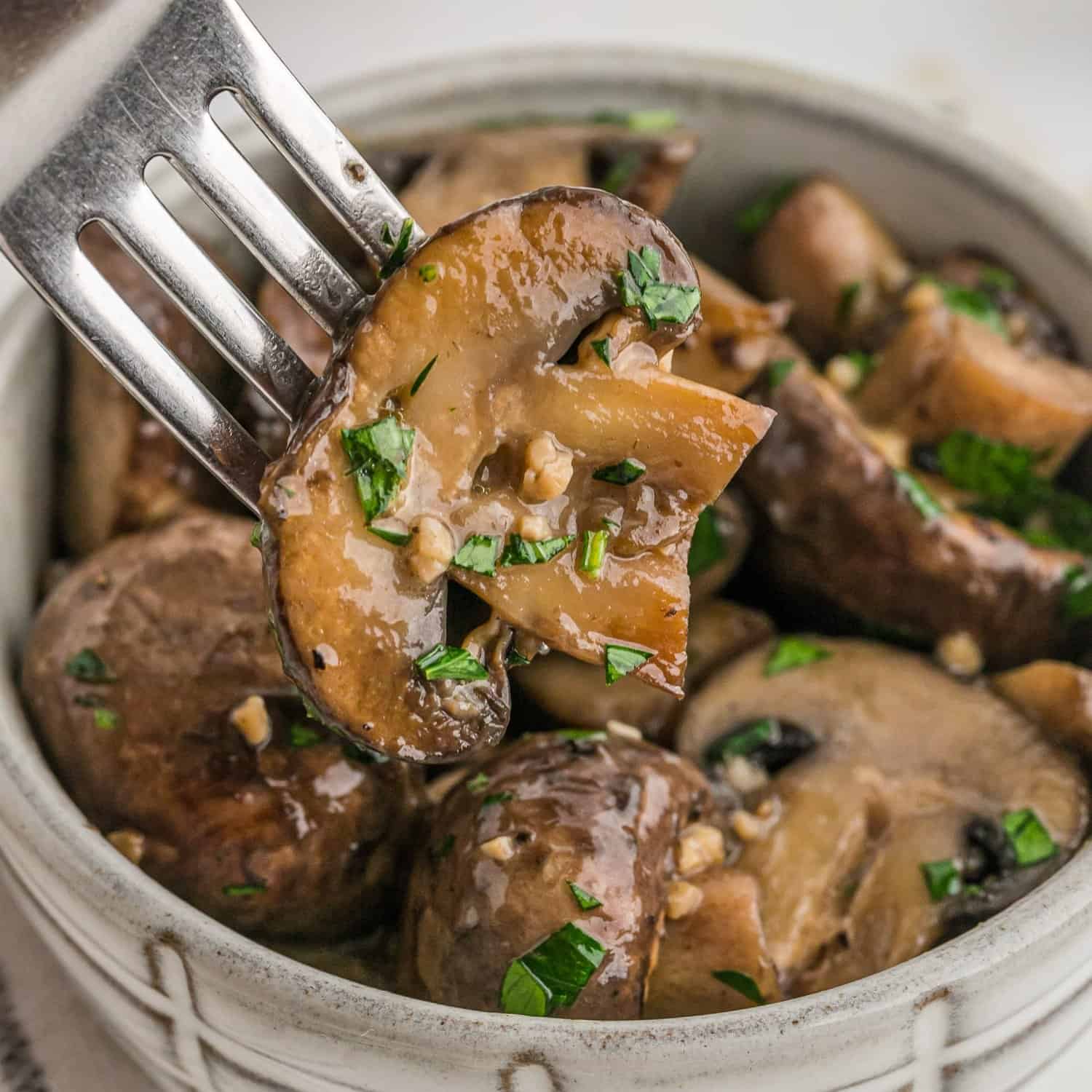
Master Sautéed Mushrooms: From Soggy to Restaurant-Quality
Have you ever attempted to cook a batch of fresh mushrooms, only to end up with a sad, soggy pile instead of the beautifully browned, flavorful fungi you envisioned? It's a common kitchen conundrum, but one that's surprisingly easy to overcome. Learning
how to saute mushrooms effectively is a culinary game-changer, transforming humble ingredients into tender, savory morsels with a rich, caramelized depth that elevates any dish. Forget the rubbery texture and watery taste; we're about to unlock the secrets to achieving restaurant-quality sautéed mushrooms right in your own kitchen.
Sautéing is a quick, versatile method that brings out the best in almost any mushroom variety, from the everyday button and cremini to exotic shiitake, oyster, or even morels. Whether you're aiming for a simple, elegant side dish, a savory topping for steak or pasta, or a flavorful addition to an omelet, the journey begins with understanding the proper technique. This comprehensive guide will walk you through every step, ensuring your mushrooms are perfectly cooked every time.
The Foundation: Prepping Your Fungi for Perfection
The secret to preventing soggy mushrooms begins long before they hit the hot pan. Proper cleaning and preparation are paramount.
Cleaning: The Dry Approach is Best
Most home cooks instinctively want to wash vegetables under running water, but for mushrooms, this is a common pitfall. Fresh mushrooms are like tiny sponges; they readily absorb water, which then steams out in the pan, making browning virtually impossible.
- Avoid Soaking: Never submerge fresh mushrooms in water. They will become waterlogged and difficult to brown.
- Wipe Clean: For most common varieties (button, cremini, portobello), a simple wipe with a slightly damp paper towel or a soft mushroom brush is all you need to remove any dirt or debris.
- Quick Rinse & Dry (If Necessary): If your mushrooms are particularly dirty, a very quick rinse under cold running water (literally a few seconds) followed immediately by thorough drying with paper towels is acceptable. The key word here is *thoroughly dry*.
- Morels Exception: Some heavily textured mushrooms like morels might require a more rigorous cleaning process due to their intricate caps, but for general sautéing, dry is the way to go.
Remember, the dryer your mushrooms are, the better they will brown. This step cannot be overstated!
Cutting for Uniformity
After cleaning, prepare your mushrooms for cooking:
- Trim Stems: For most varieties, trim the very end of the stem, as it can sometimes be tough or dry. For shiitake, remove the entire stem as it's typically woody.
- Uniformity is Key: Slice or quarter your mushrooms into relatively uniform pieces. This ensures they cook evenly. Whether you opt for halves, quarters, or slices depends on your preference and the size of the mushroom. Larger cuts tend to offer a more robust, "meaty" bite, while thinner slices cook faster.
- Don't Dice: While fine for some applications, dicing mushrooms for sautéing often leads to them cooking too quickly and potentially steaming rather than browning.
Mastering the Sauté: Step-by-Step to Golden Brown Excellence
With your mushrooms perfectly prepped, it's time for the main event. Here’s
how to saute mushrooms to achieve that coveted tender texture and savory, caramelized flavor.
1. Choose Your Fat Wisely
The right fat is crucial for flavor and browning.
- Butter or Oil? Both work wonderfully. Butter offers a rich, nutty flavor, while oil (like olive oil, avocado oil, or grapeseed oil) has a higher smoke point, allowing for hotter cooking without burning.
- The Best of Both Worlds: Many chefs prefer a combination of both – a tablespoon of oil to help prevent the butter from burning, offering the best of both flavor and heat tolerance. For about 8 ounces (3 cups) of sliced mushrooms, 2 tablespoons of fat is a good starting point.
2. Select the Right Pan & Heat It Up
- Large Skillet is Essential: Use a large, wide skillet, preferably cast iron or stainless steel. Non-stick pans can work, but sometimes don't achieve the same level of browning. The size is critical to prevent overcrowding.
- Medium-High Heat: Place your skillet over medium-high heat. Add your chosen fat and allow it to get hot. You'll know it's ready when butter is melted and lightly bubbling, or oil shimmers. This initial high heat is essential to achieve a quick sear and prevent the mushrooms from releasing all their water too soon.
3. The Golden Rule: Don't Crowd the Pan!
This is perhaps the most critical tip for preventing soggy mushrooms.
- Single Layer: Add your prepared mushrooms to the hot pan in a single layer, ensuring there's space between each piece. You should hear a distinct sizzle as they hit the hot fat.
- Why it Matters: If you overcrowd the pan, the temperature drops significantly. The moisture released from the mushrooms then has nowhere to escape, creating a steaming environment rather than a dry, searing one. This is the primary culprit behind soggy, gray mushrooms.
- Work in Batches: If you're cooking a large quantity, work in batches. It takes a little longer, but the results are vastly superior.
4. Cook, Stir, and Caramelize
- Initial Sear: Let the mushrooms cook undisturbed for 2-3 minutes initially. This allows one side to get a good, deep brown crust. Resist the urge to stir too early!
- Stir Occasionally: After the initial sear, stir the mushrooms occasionally with a heatproof spatula or wooden spoon. Continue cooking for 4-8 minutes, depending on the heat and thickness of your slices, until they are tender, beautifully browned, and have significantly reduced in size. The goal is a rich, golden-brown color, which indicates that the natural sugars have caramelized, intensifying their savory flavor.
- When to Season: Add salt and freshly ground black pepper towards the end of the cooking process. Adding salt too early can draw out moisture, hindering browning.
Beyond the Basics: Pro Tips for Unforgettable Flavor
Once you’ve mastered the fundamental technique of
how to saute mushrooms, you can elevate your creations with a few extra touches.
Mushroom Variety Matters
Experiment with different types! While the basic technique remains the same, each mushroom offers a unique flavor and texture.
- Cremini (Baby Bellas): A fantastic all-rounder, offering a deeper flavor than white button mushrooms.
- Shiitake: Earthy and umami-rich, with a slightly firmer texture. Remove the tough stems.
- Oyster: Delicate flavor and texture, they cook quickly.
- Portobello: Large and meaty, perfect for slicing thick or even grilling whole after sautéing.
Cooking a combo of your favorite fungi can create a complex and delicious medley.
Enhance with Aromatics and Herbs
For an extra layer of flavor, consider adding aromatics and fresh herbs towards the end of the cooking process.
- Garlic & Shallots: Add minced garlic or finely sliced shallots in the last 1-2 minutes of cooking, just until fragrant, to avoid burning.
- Fresh Herbs: Thyme, rosemary, and parsley are classic companions to mushrooms. Stir in fresh sprigs of thyme or rosemary during the last few minutes of cooking, or garnish with chopped fresh parsley just before serving.
A Splash of Liquid for a Pan Sauce
Once your mushrooms are perfectly browned, you can deglaze the pan for an instant pan sauce.
- Wine or Broth: After removing the mushrooms from the pan, add a splash of white wine, sherry, or vegetable/chicken broth to the hot pan. Scrape up any browned bits (fond) from the bottom of the pan – these are packed with flavor! Let it simmer for a minute until slightly reduced, then return the mushrooms to coat.
This technique adds moisture and incredible depth, perfect for serving alongside roasted meats. For more secrets to preventing limp, watery fungi, check out our guide:
Stop Soggy Mushrooms: The Secret to Perfectly Caramelized Fungi.
Elevate Your Meals: Creative Ways to Enjoy Sautéed Mushrooms
Now that you've mastered
how to saute mushrooms to tender, savory perfection, the possibilities for incorporating them into your meals are endless. Their rich, earthy flavor makes them incredibly versatile.
- Classic Side Dish: Seasoned simply with sea salt and cracked black pepper, they make an elegant and wholesome side to any main course.
- Steak or Pork Chops Topping: A generous scoop of sautéed mushrooms is the perfect accompaniment to grilled or broiled meats, adding a gourmet touch.
- Pasta Perfection: Toss hot, cooked noodles with sautéed mushrooms, a drizzle of olive oil, and grated Parmesan cheese for a quick and satisfying meal. Add some crumbled cooked bacon for extra savoriness.
- Savory Toasts: Pile them high on cheesy sourdough toast for a sophisticated appetizer or light lunch.
- Omelets & Scrambles: Fold them into eggs with a sprinkle of cheese for a delightful breakfast or brunch.
- Pizza & Flatbreads: Use them as a flavorful topping on homemade pizzas or flatbreads.
- Sandwich & Burger Booster: Add them to your favorite sandwiches, wraps, or as a topping for juicy burgers.
These quick and easy additions can truly transform everyday dishes into something special. Discover more inspiring ideas here:
Sautéed Mushrooms: Quick & Versatile Ways to Elevate Your Meals.
Conclusion
From the initial careful cleaning to the final golden-brown flourish, mastering
how to saute mushrooms is all about technique and a little patience. By understanding the importance of dry mushrooms, a hot pan, and adequate space, you can consistently achieve those tender, caramelized, restaurant-quality results that will impress both your palate and your guests. So go ahead, grab a fresh batch of your favorite fungi, and transform them from potential sogginess into culinary triumph!