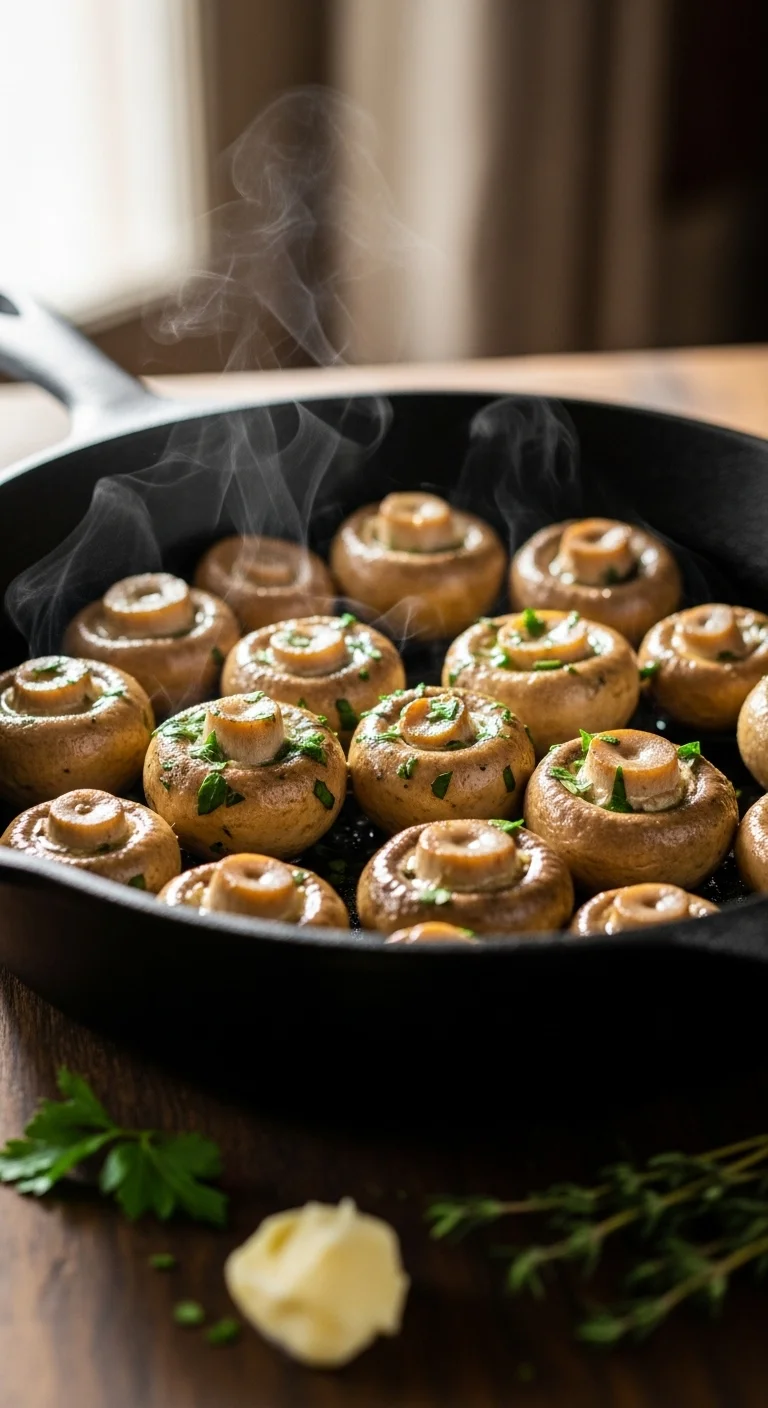
Stop Soggy Mushrooms: The Secret to Perfectly Caramelized Fungi
For many home cooks, the quest for perfectly sautéed mushrooms often ends in a disappointing puddle of grey, steamed fungi. Instead of a rich, savory side dish or a robust topping for steak, we're left with an uninspired, watery mess. But what if we told you that achieving beautifully browned, deeply flavorful, and delightfully tender mushrooms, bursting with umami, is not only possible but surprisingly simple? The secret lies in understanding the science of moisture and heat, transforming humble fungi from soggy to superb. Learning how to saute mushrooms correctly is a culinary game-changer. It unlocks their true potential, making them an irresistible addition to countless dishes. Whether you're a mushroom enthusiast or someone hoping to finally appreciate their deliciousness, this comprehensive guide will walk you through every step, ensuring your mushrooms are always golden, caramelized, and utterly delicious.The Foundation: Why Most Sautéed Mushrooms Fall Short (and How to Fix It)
The primary culprit behind soggy mushrooms is excess moisture. Mushrooms are like tiny sponges, readily absorbing water. When they release this trapped water during cooking, it lowers the pan temperature and creates steam, effectively boiling the mushrooms instead of browning them. The key to preventing this culinary mishap is two-fold: meticulous preparation and precise cooking technique. Think of sautéing as a quick, high-heat dance with very little liquid. The goal is to evaporate moisture rapidly from the mushroom's surface, allowing the natural sugars to caramelize and develop those coveted golden-brown edges and complex, nutty flavors. This process, known as the Maillard reaction, is what gives perfectly cooked mushrooms their distinctive depth and aroma. To truly master Master Sautéed Mushrooms: From Soggy to Restaurant-Quality, you need to lay a strong foundation of dryness and adequate heat.Mastering the Prep: From Cleaning to Cutting
Before you even think about heat, proper preparation is paramount. This stage is where you win half the battle against sogginess.Cleaning Your Fungi: The Dry Approach
Forget the idea of rinsing or soaking mushrooms under running water. As we've discussed, they're incredibly absorbent. Instead, opt for a dry or minimally damp cleaning method:- Wipe Them Down: For most common varieties like cremini, button, shiitake, or portobello, a clean, damp paper towel or a soft mushroom brush is your best friend. Gently wipe away any dirt or debris from the caps and stems.
- Quick Rinse (and Immediate Dry): If your mushrooms are particularly dirty, a *very* quick rinse under cool, running water might be necessary. However, the moment they're rinsed, immediately pat them thoroughly dry with paper towels. Don't underestimate this step; the drier they are, the better they'll brown.
Trimming and Slicing for Optimal Results
Once clean, it's time to get them ready for the pan:- Trim the Stems: For most mushrooms, trim off the very end of the stem, which can be tough or woody. Some stems (like those of shiitakes) are too tough to eat and should be entirely removed, while others (like cremini) are perfectly edible and can be sliced along with the caps.
- Consistent Sizing: Use a sharp knife to slice your mushrooms into even pieces. Aim for uniform thickness (e.g., ¼-inch slices or halves/quarters for smaller mushrooms). This ensures they cook evenly. Larger cuts are fantastic for a more robust, meaty bite, while thinner slices integrate seamlessly into sauces or omelets.
The Sautéing Sweet Spot: Heat, Space, and Patience
Now for the main event: the actual cooking process. This is where your cleaned and cut mushrooms transform into golden, savory gems.Choosing Your Tools and Fat
- The Right Pan: A large, heavy-bottomed skillet is crucial. Cast iron or stainless steel are excellent choices because they retain heat well. Crucially, ensure your pan is large enough to accommodate the mushrooms in a single layer without overcrowding. If you don't have a large enough pan, work in batches.
- The Right Fat: A combination of butter and oil is often ideal. Olive oil or grapeseed oil have a higher smoke point, preventing the butter from burning too quickly, while butter adds an unparalleled richness and nutty flavor that complements mushrooms beautifully. Use about 2 tablespoons of fat for every 8 ounces (3 cups) of sliced mushrooms.
The Sautéing Method: Step-by-Step
- Heat the Pan: Place your large skillet over medium-high heat. Add the oil (and butter, if using) and let it get *hot*. You'll know it's ready when the oil shimmers, or the butter is fully melted and lightly foaming. This initial high heat is critical for instantly searing the mushrooms and starting the browning process before they release too much water. You should hear a distinct sizzle when the mushrooms hit the pan. If not, your pan isn't hot enough.
- Add Mushrooms in a Single Layer: Carefully add your prepared mushrooms to the hot pan. Spread them out into a single layer. This is perhaps the most important rule: do not overcrowd the pan! Crowding lowers the pan temperature and traps steam, leading straight back to soggy mushrooms. If necessary, cook in two or more batches.
- Resist the Urge to Stir (Initially): Allow the mushrooms to cook undisturbed for 3-4 minutes. This initial contact with the hot pan without movement is what allows them to develop that beautiful golden-brown crust. You'll see the edges start to darken.
- Stir and Continue Cooking: After the initial undisturbed cooking, stir the mushrooms occasionally with a heatproof spatula or wooden spoon. Continue cooking for another 4-7 minutes, or until all the released moisture has evaporated, and the mushrooms are tender, deeply browned, and beautifully caramelized. They should have shrunk considerably and developed an intense aroma.
Elevating Your Fungi: Flavor Pairings and Serving Suggestions
Once you've mastered how to saute mushrooms to golden perfection, the possibilities are endless. Seasoning them simple with sea salt and freshly cracked black pepper is always a winning choice, but don't stop there!Flavor Boosters
Add these during the last minute or two of cooking, or just after removing from heat:- Garlic & Herbs: Minced garlic, fresh thyme, rosemary, or parsley enhance their earthy notes.
- Acid: A splash of balsamic vinegar, red wine, or a squeeze of lemon juice at the very end brightens the flavor profile.
- Umami Bombs: A dash of soy sauce or Worcestershire sauce can deepen the savory character.
Versatile Serving Ideas
Sautéed mushrooms are incredibly versatile. They can be the star or a supporting player in a wide array of dishes:
- Classic Side: Serve them alongside grilled steak, roasted chicken, or pan-seared pork chops.
- Pasta Power-Up: Toss them with hot pasta, olive oil, garlic, and grated Parmesan for a quick and satisfying meal. For an even richer dish, integrate them into a creamy pasta sauce.
- Brunch Brilliance: Fold them into omelets, scrambles, or serve them atop cheesy sourdough toast.
- Pizza & Flatbread Topping: Add them to your homemade pizzas or flatbreads for an earthy punch.
- Flavorful Filling: Use them as a base for savory tarts, quiches, or even stuffed vegetables.
- Sandwich & Burger Enhancement: Pile them onto burgers, chicken sandwiches, or serve them as a filling for gourmet grilled cheese.
The journey from soggy to perfectly caramelized mushrooms is a rewarding one. By focusing on proper cleaning, precise slicing, sufficient heat, and adequate space in the pan, you can consistently achieve results that are truly restaurant-quality. No more watery disappointments – just rich, deeply flavored, golden-brown morsels ready to elevate your culinary creations. So go ahead, grab your favorite fungi, and get ready to experience the true magic of beautifully sautéed mushrooms!
