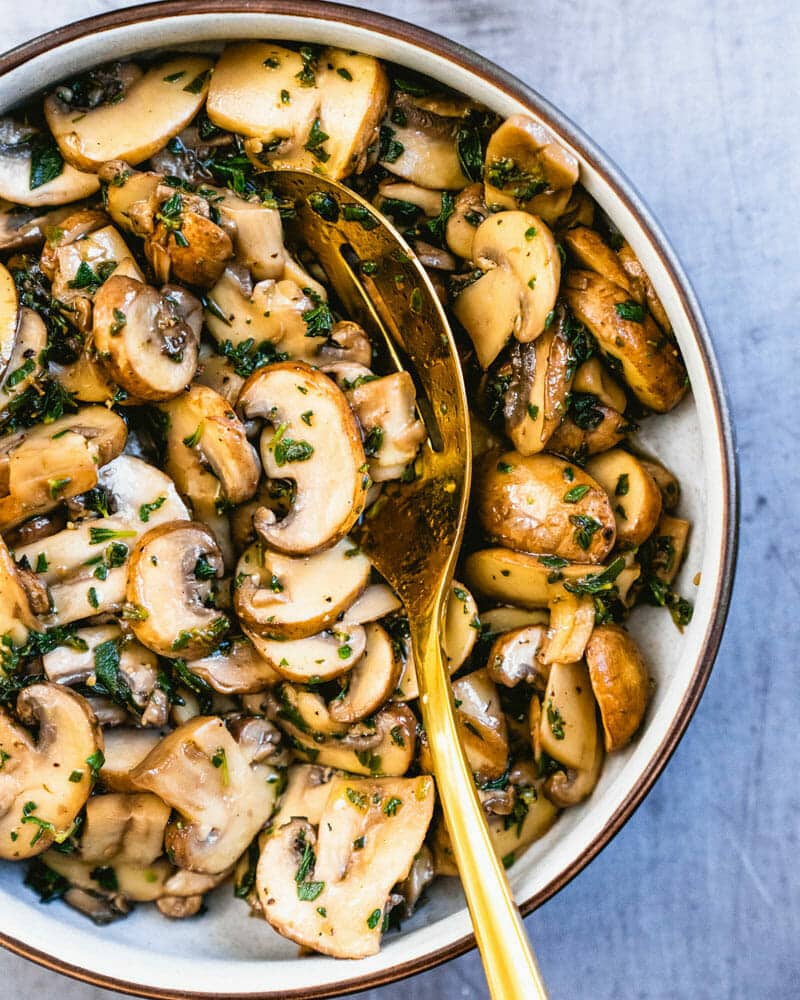
Sautéed Mushrooms: Quick & Versatile Ways to Elevate Your Meals
There's an undeniable magic in a perfectly cooked mushroom. From humble button mushrooms to exotic shiitakes, when prepared correctly, they transform into tender, savory morsels bursting with umami flavor. Sautéing is arguably the best and most accessible method to unlock this delicious potential, offering a quick and versatile way to enhance virtually any dish. If you've ever wondered how to saute mushrooms to achieve that coveted golden-brown exterior and succulent interior, you've come to the right place. Say goodbye to soggy fungi and hello to restaurant-quality deliciousness!
The Art of Sautéing Mushrooms: From Farm to Fork Perfection
Sautéing, derived from the French word 'sauter' meaning 'to jump,' describes a cooking technique that uses high heat and a small amount of fat to quickly cook food, often by tossing or turning it in the pan. For mushrooms, this method is particularly effective because it encourages rapid browning and caramelization, concentrating their natural flavors and sugars rather than steaming them into a watery, bland state.
This technique works wonders for almost any variety of mushroom you can get your hands on: common button mushrooms, earthy cremini, robust portobello, delicate shiitake, and even the elusive morel. Don't hesitate to mix and match your favorites for a more complex flavor profile and texture. Learning how to saute mushrooms properly is a foundational skill that opens up a world of culinary possibilities, allowing you to enjoy them as a simple side, a gourmet topping, or an integral component of more elaborate meals.
Essential Prep: Laying the Groundwork for Flawless Fungi
The secret to superb sautéed mushrooms begins long before they hit the hot pan. Proper preparation is paramount to ensure they brown beautifully and retain their tender texture.
Sourcing and Cleaning Your Fungi
Always start with the freshest mushrooms possible. Look for firm, unblemished caps and stems. Once you have your bounty, resist the urge to rinse or soak them under running water. Mushrooms are like sponges; they'll absorb moisture quickly, making it incredibly difficult to achieve that desirable browning and leading to a soggy texture. This is a critical step often overlooked!
Instead, follow these steps for effective, dry cleaning:
- Wipe Gently: Use a damp paper towel or a clean kitchen cloth to gently wipe away any visible dirt or debris from the caps and stems.
- Brush Off: A soft mushroom brush (or even a pastry brush) can be useful for more stubborn bits of soil.
- The Goal: The objective is to get your mushrooms as dry as possible before cooking. Excess moisture is the enemy of caramelization.
For a deeper dive into preventing watery results, check out our guide on Stop Soggy Mushrooms: The Secret to Perfectly Caramelized Fungi.
Trimming and Slicing for Success
Once clean, prepare your mushrooms for cooking:
- Trim Stems: Trim off the very end of each mushroom stem, as this part can sometimes be tough or woody. For varieties like shiitake, you might want to remove more of the stem as they can be quite fibrous.
- Consistent Cuts: On a stable cutting surface, use a sharp knife to slice your mushrooms. For sautéing, slices, halves, or quarters work best. The key is to aim for roughly similar sizes so they cook evenly. While dicing is suitable for some dishes, larger cuts are preferred for sautéing as they offer a more robust, "meaty" bite and better flavor for true mushroom enthusiasts.
Mastering the Sauté: Your Step-by-Step Guide on How to Sauté Mushrooms
With your mushrooms prepped, it's time for the main event. Here's a foolproof method for perfectly sautéed mushrooms every time.
For a typical side dish serving about four people, you'll need approximately 8 ounces (about 3 cups) of sliced mushrooms and 2 tablespoons of your chosen fat.
- Heat Your Pan and Fat: Place a large skillet over medium-high heat. A large pan is crucial to prevent overcrowding. Add your preferred fat – butter, olive oil, or a combination of both – to the hot pan. Allow the oil to shimmer or the butter to melt and just begin to foam. You want it hot enough to hear a distinct sizzle when the mushrooms are added. If the fat isn't hot enough, the mushrooms will release their moisture too quickly, steaming rather than browning.
- Add Mushrooms (Don't Crowd!): Carefully add your prepared mushrooms to the hot pan. This is perhaps the most critical step after drying them: do not overcrowd the pan. Mushrooms need space to breathe and brown. If they're piled on top of each other, the moisture they release will have nowhere to go, creating steam and resulting in soggy, unappetizing mushrooms. Aim for a single layer with some space between each piece. If you have a large batch, cook them in smaller, separate batches.
- Cook and Stir Occasionally: Allow the mushrooms to cook undisturbed for 2-3 minutes to get a good sear on one side. Then, using a heatproof spatula or wooden spoon, stir them occasionally (every minute or so) to ensure even cooking and browning. Continue cooking for a total of 4 to 7 minutes, depending on the mushroom type and desired doneness, until they are tender, beautifully golden brown, and slightly caramelized.
- Season Thoughtfully: While some recipes call for seasoning early, it's often best to add salt and pepper towards the end of the cooking process, after the mushrooms have started to brown. Salt can draw out moisture, hindering browning if added too soon. Finish with fresh ground black pepper and any herbs you desire (like thyme or parsley).
For further techniques on transforming your mushrooms from bland to brilliant, dive into Master Sautéed Mushrooms: From Soggy to Restaurant-Quality.
Pro Tips for Perfect Sautéed Mushrooms:
- Use the Right Pan: A wide, heavy-bottomed skillet (cast iron or stainless steel works great) is ideal for retaining and distributing heat evenly.
- Don't Be Afraid of Heat: Medium-high heat is your friend here. It's essential for achieving that lovely golden crust.
- Fat is Flavor: Don't skimp on the oil or butter. It aids in browning and carries flavor. Clarified butter or ghee can be excellent choices due to their higher smoke point.
- Taste as You Go: Adjust seasoning as needed. A squeeze of lemon juice or a dash of balsamic vinegar at the very end can brighten the flavors.
Beyond the Pan: Creative Ways to Enjoy Sautéed Mushrooms
Once you've mastered how to saute mushrooms, the culinary world is your oyster. Their rich, earthy flavor and tender texture make them incredibly versatile. Here are some of our favorite ways to incorporate these savory gems into your meals:
- Simple Side Dish: Seasoned simply with sea salt and cracked black pepper, perhaps a sprinkle of fresh thyme or parsley, they make an elegant and healthy side for any meal.
- Elevate Your Proteins: Spoon them generously over grilled steak, roasted chicken, pan-seared pork chops, or even a simple fried egg for an instant upgrade.
- Pasta Perfection: Toss hot, cooked pasta with sautéed mushrooms, a drizzle of good quality olive oil, and plenty of grated Parmesan cheese. For an extra layer of flavor, add some cooked and chopped bacon or a splash of white wine.
- Gourmet Toasts and Sandwiches: Spread them over cheesy sourdough toast for a sophisticated appetizer, or layer them into grilled cheese sandwiches, wraps, or even homemade burgers for an umami boost.
- Brunch Booster: Fold them into omelets, scrambles, or frittatas alongside fresh herbs and your favorite cheese for a truly satisfying breakfast or brunch.
- Pizza Topping: Move beyond plain pepperoni. Sautéed mushrooms add depth and a meaty texture to any homemade or store-bought pizza.
- Enrich Sauces and Soups: Stir them into gravies, pan sauces (deglaze the pan with a little wine or broth after sautéing!), or hearty stews for an extra layer of savory goodness.
For an extra flavor punch, consider adding minced garlic or shallots to the pan during the last minute or two of sautéing. A splash of sherry or dry white wine, reduced until almost evaporated, can also add wonderful depth.
Conclusion
Sautéed mushrooms are a testament to the fact that sometimes, the simplest preparations yield the most profound flavors. Mastering how to saute mushrooms isn't just about cooking; it's about transforming a humble ingredient into a culinary highlight. With a few key techniques – proper cleaning, consistent slicing, a hot pan, and not overcrowding – you can consistently achieve tender, caramelized fungi that will elevate breakfasts, lunches, and dinners alike. So grab your skillet, gather your mushrooms, and get ready to add a burst of savory perfection to your next meal!
